Learning modules
Every quiz, lesson, and clinical note in the atlas — filter by system, organ, or kind.
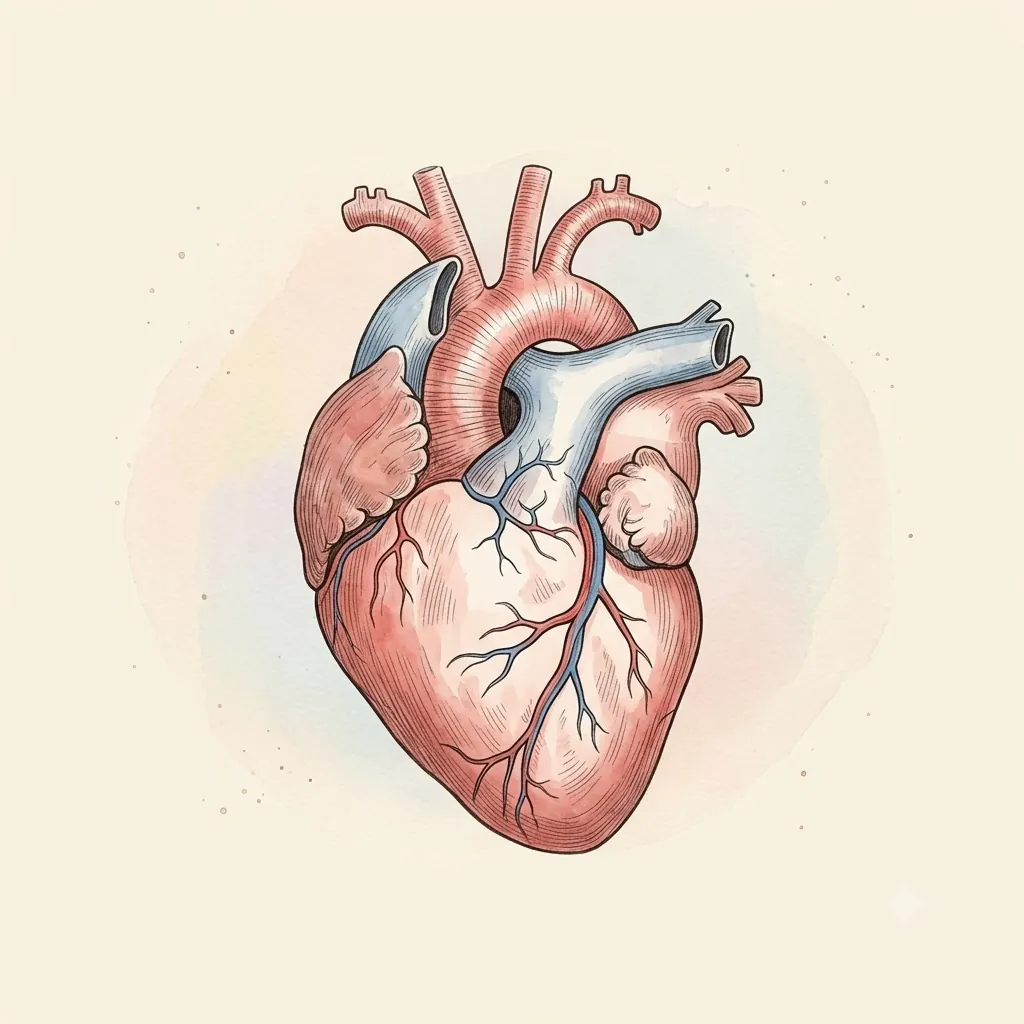 ReadHeart: the lesson
Structure and story of the heart, layer by layer.
3 min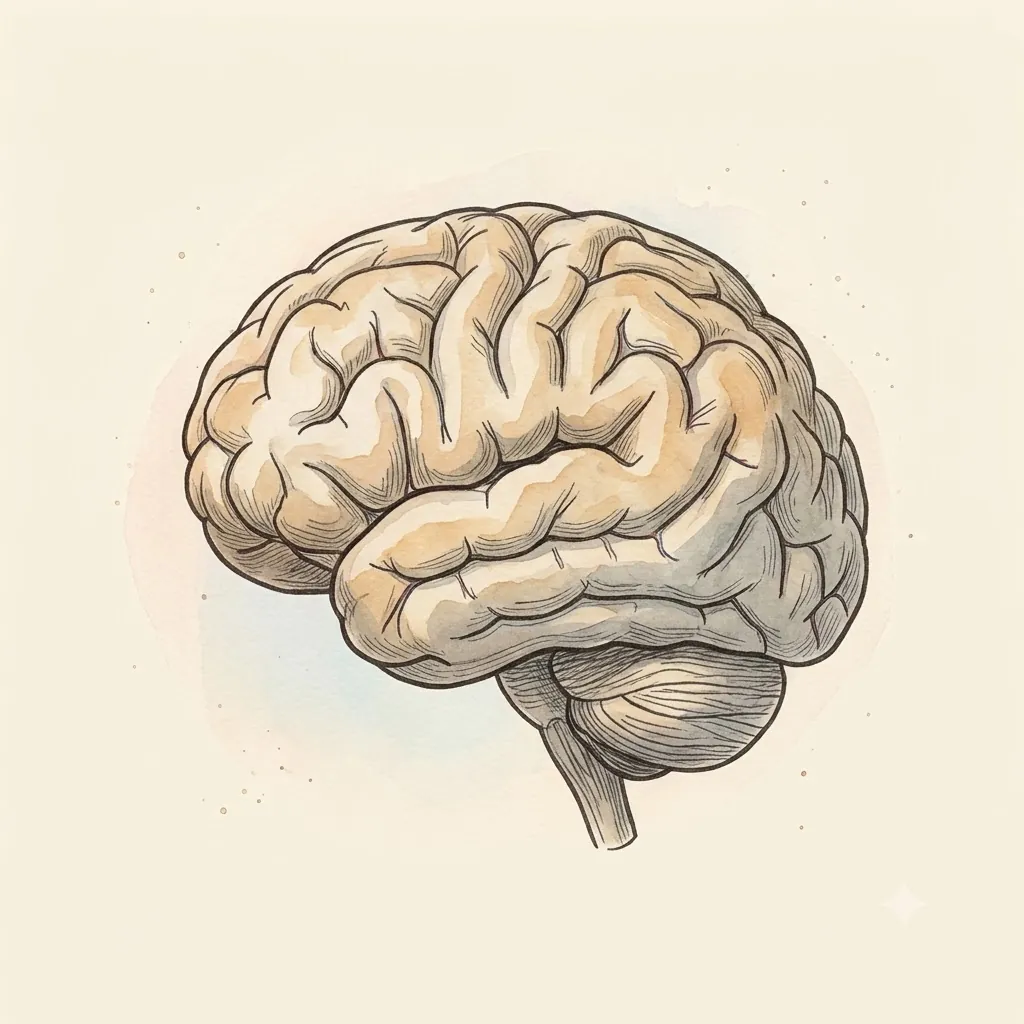 ReadBrain: the lesson
Structure and story of the brain, layer by layer.
3 min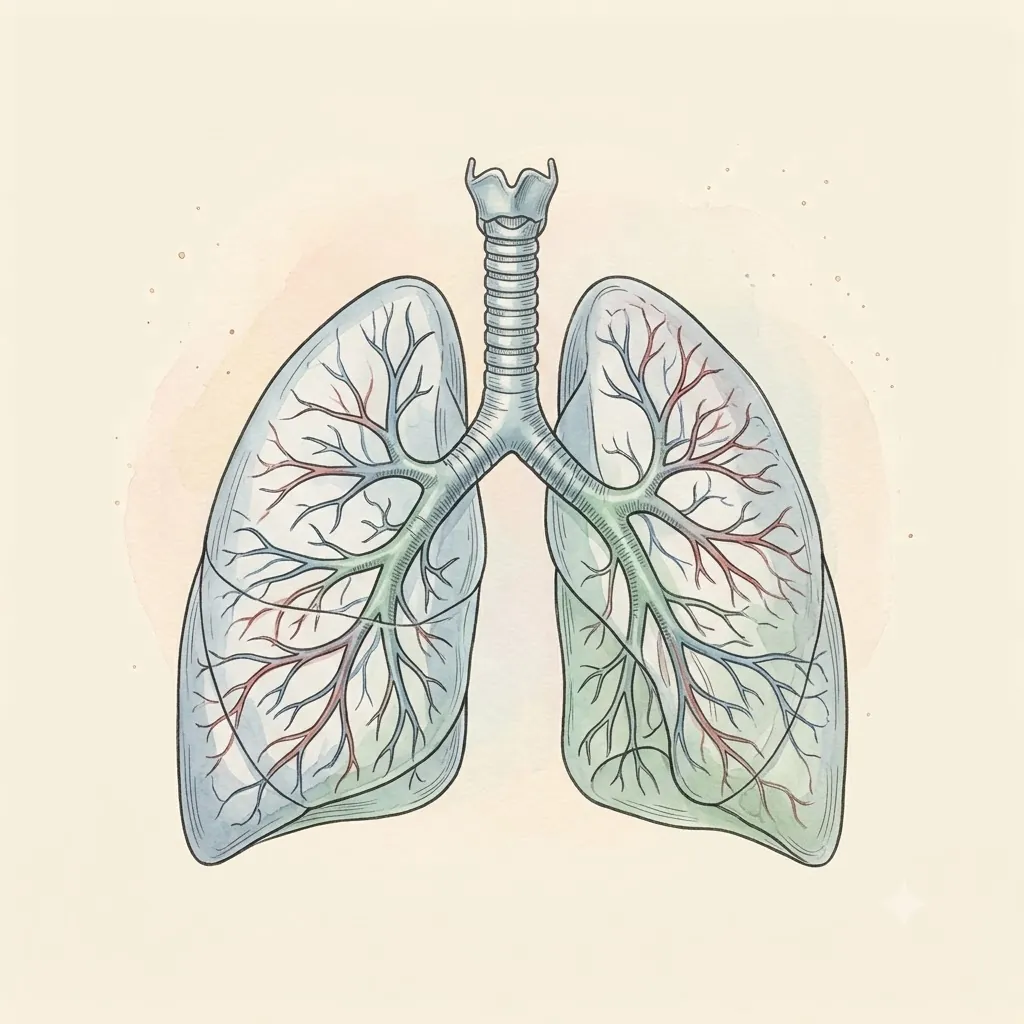 ReadLungs: the lesson
Structure and story of the lungs, layer by layer.
3 min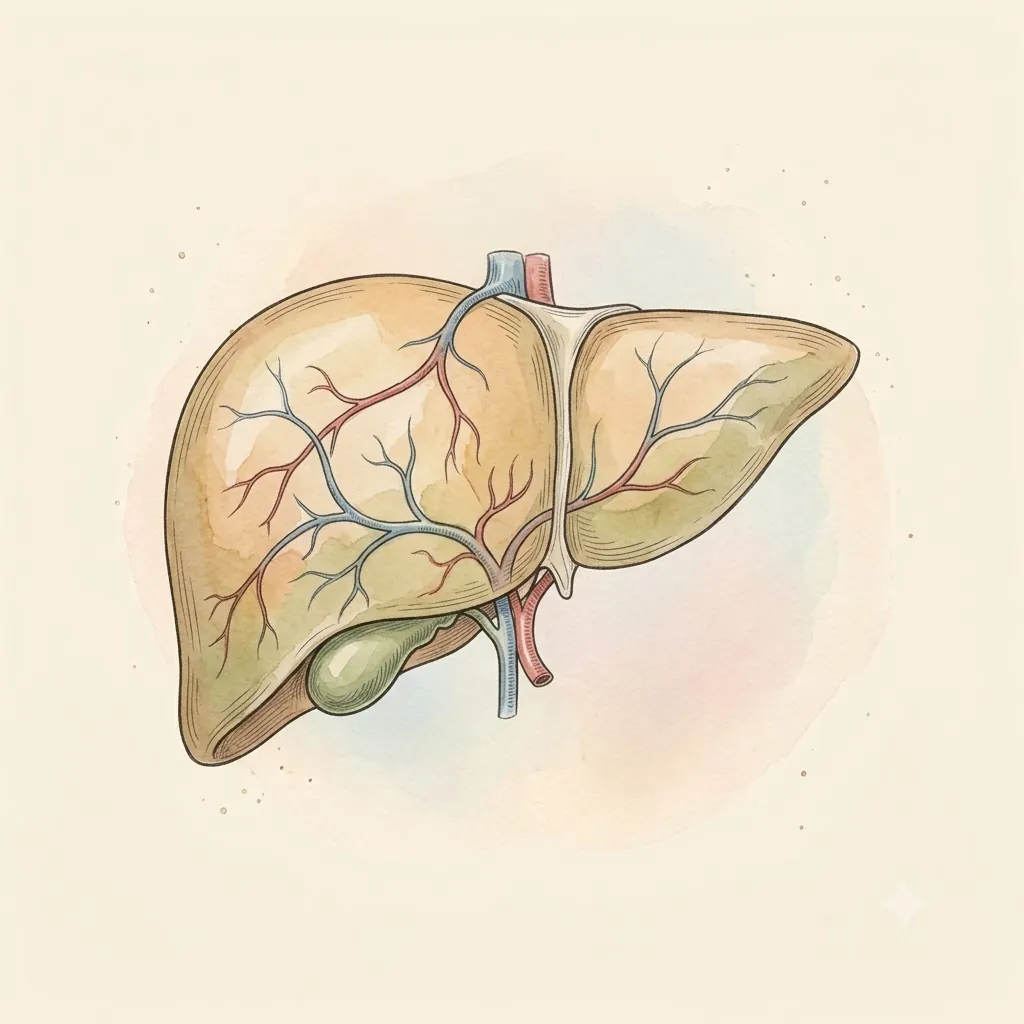 ReadLiver: the lesson
Structure and story of the liver, layer by layer.
3 min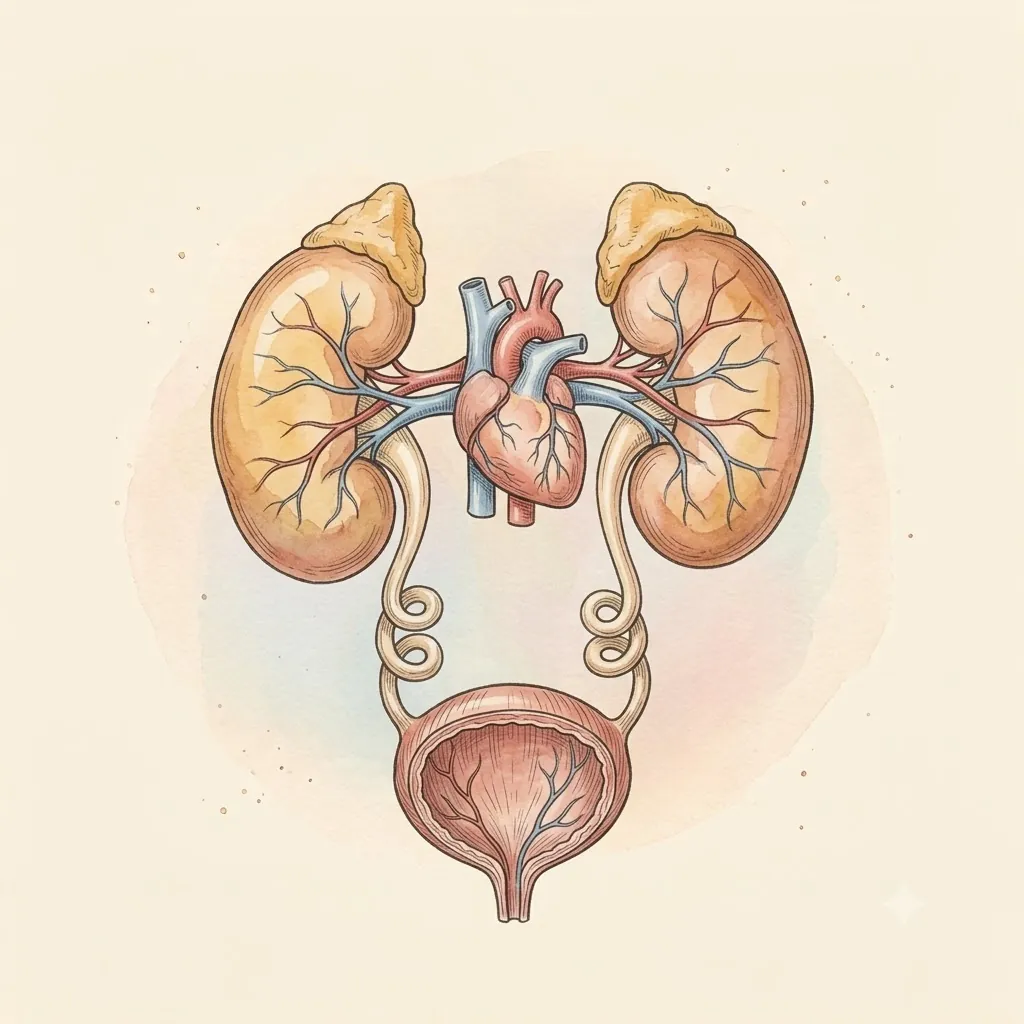 ReadKidneys: the lesson
Structure and story of the kidneys, layer by layer.
3 min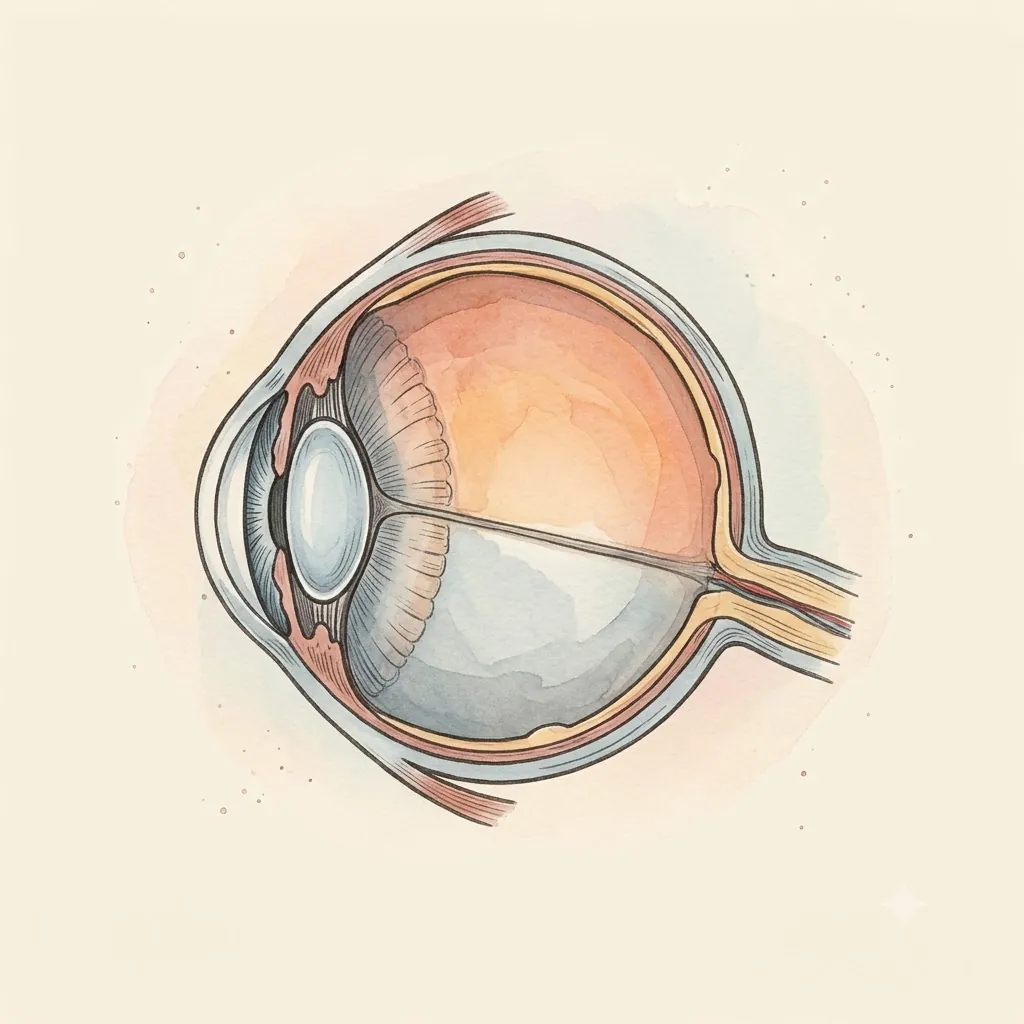 ReadEye: the lesson
Structure and story of the eye, layer by layer.
3 min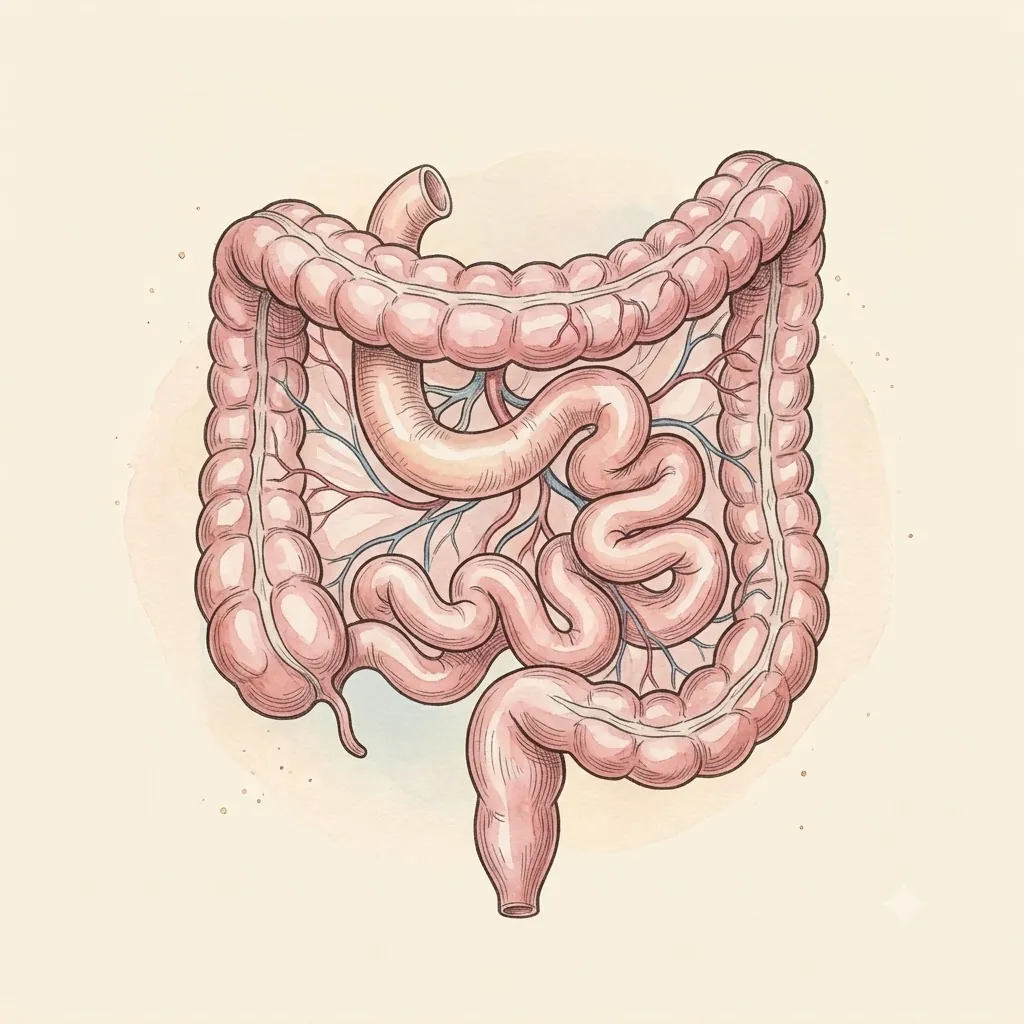 ReadIntestine: the lesson
Structure and story of the intestine, layer by layer.
3 min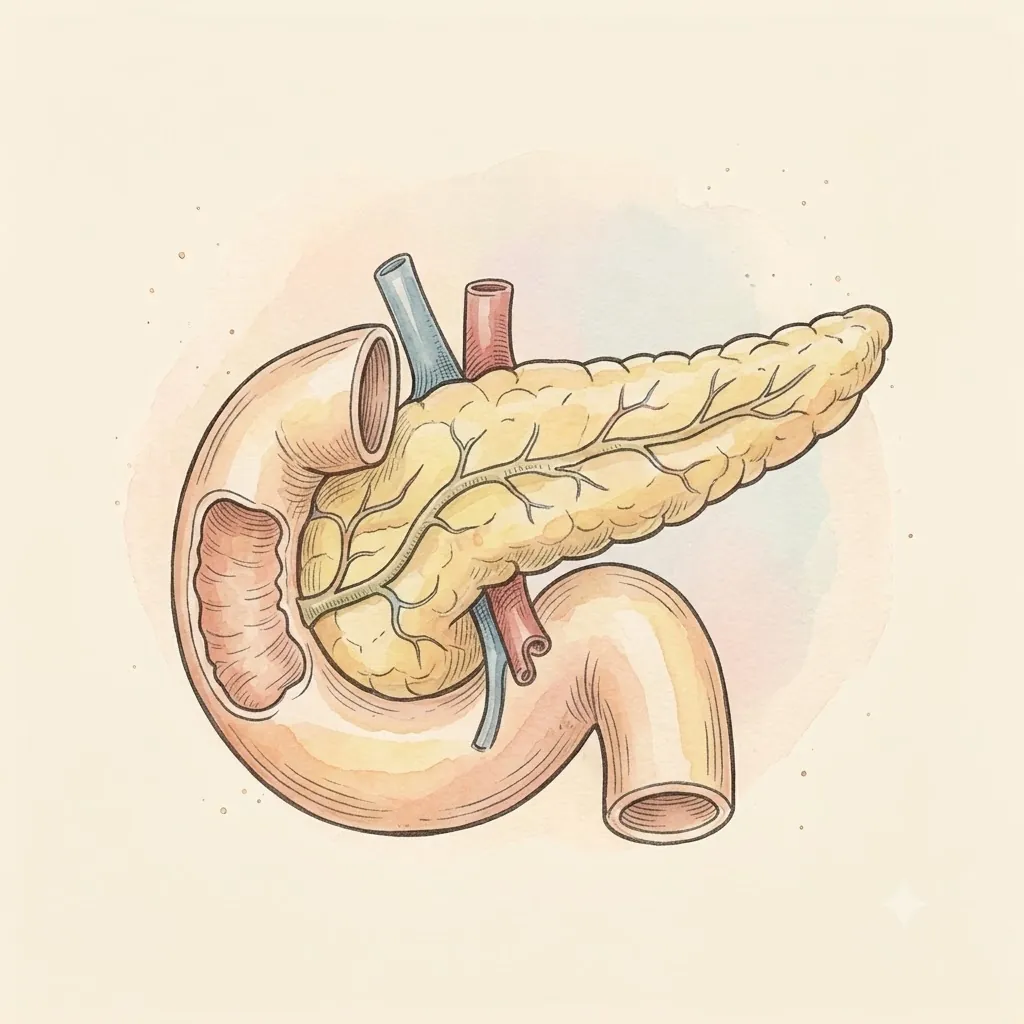 ReadPancreas: the lesson
Structure and story of the pancreas, layer by layer.
3 min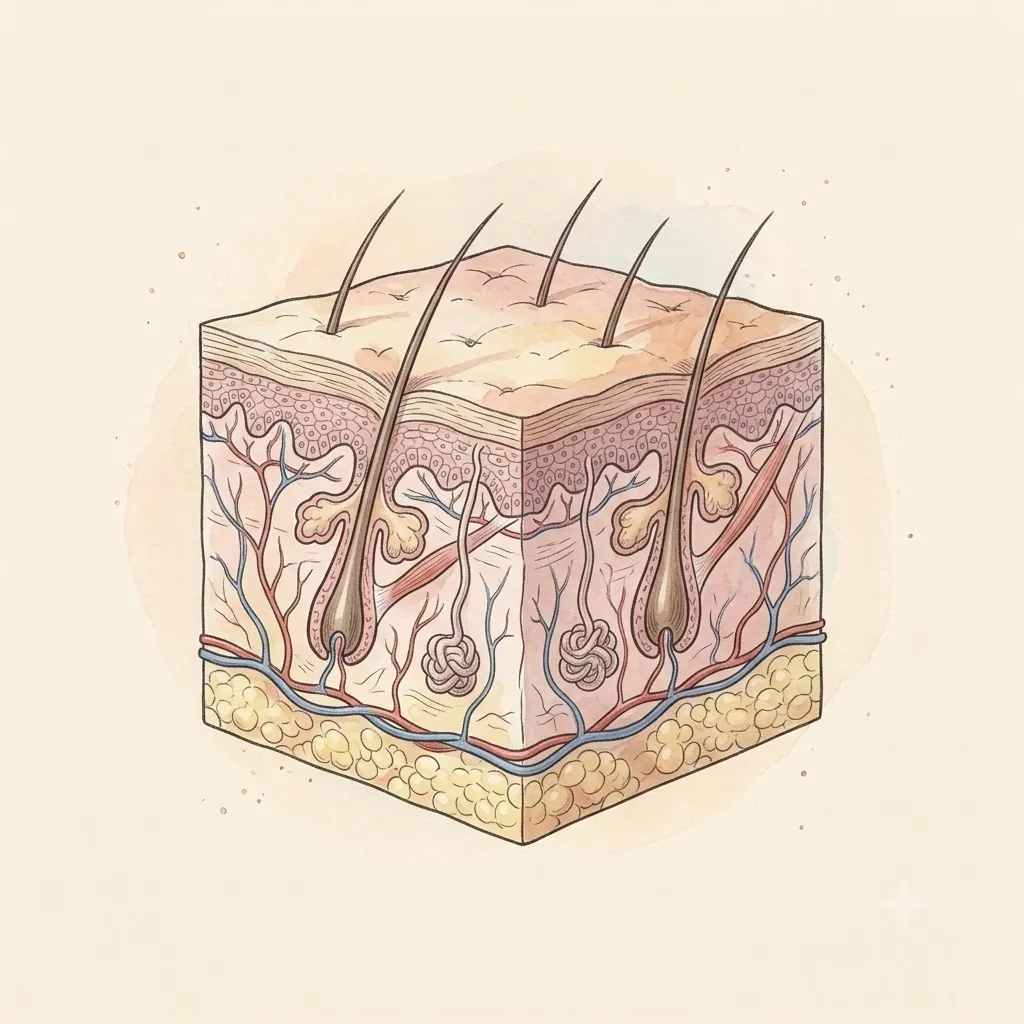 ReadSkin: the lesson
Structure and story of the skin, layer by layer.
3 min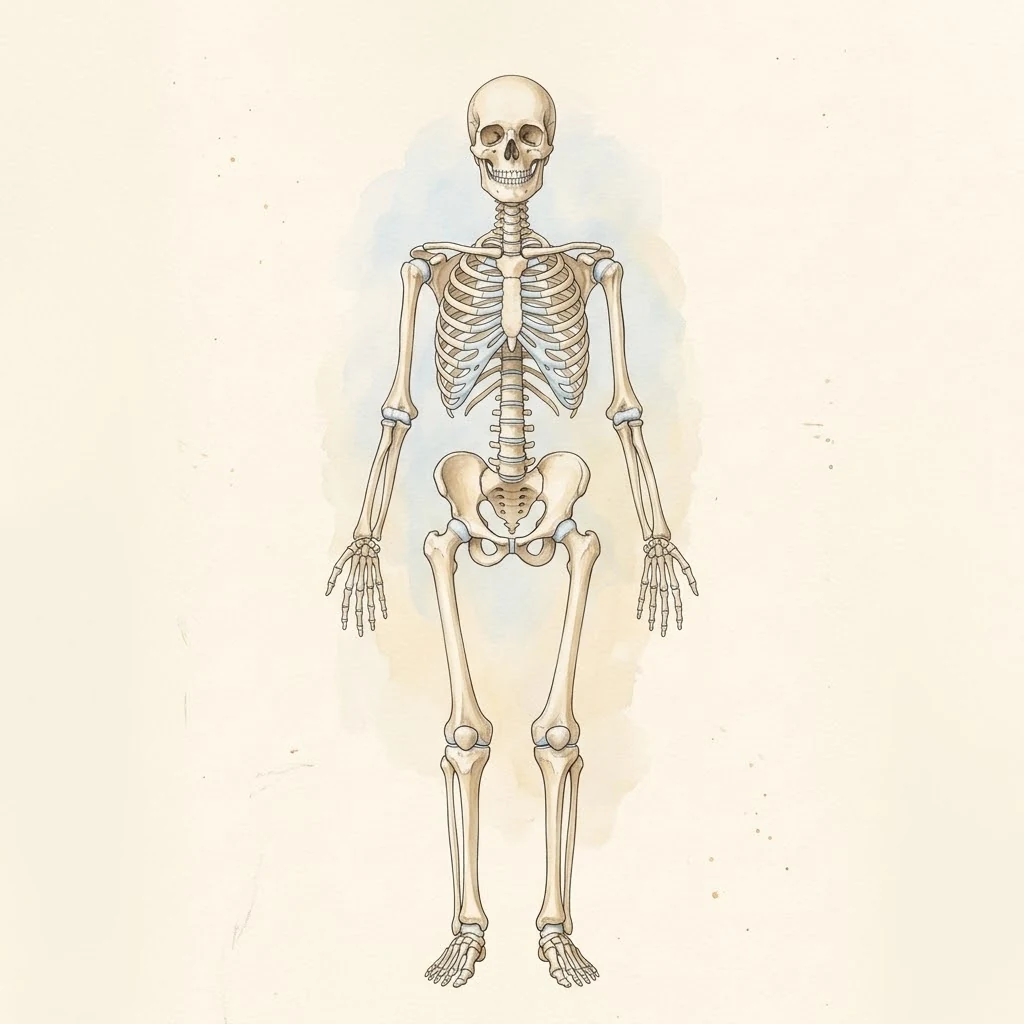 ReadSkeleton: the lesson
Structure and story of the skeleton, layer by layer.
3 min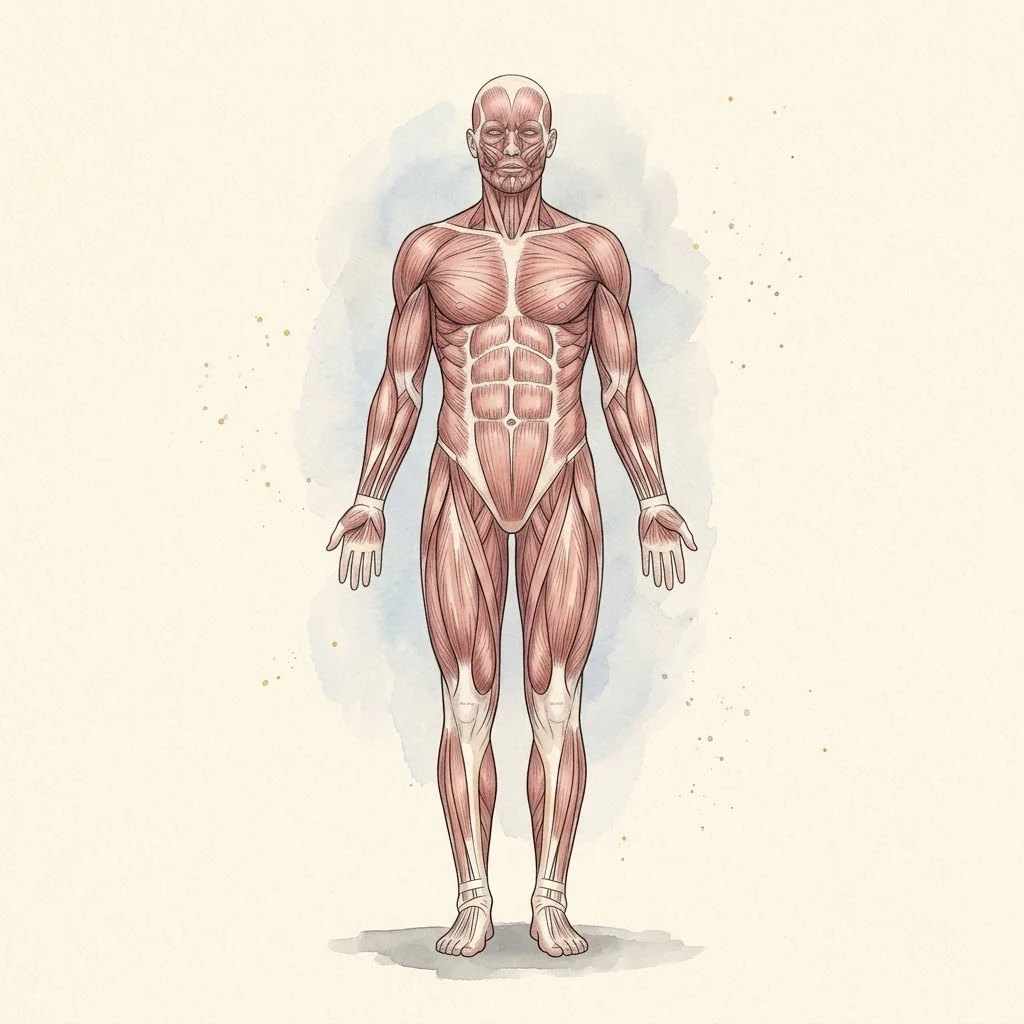 ReadMuscles: the lesson
Structure and story of the muscles, layer by layer.
3 min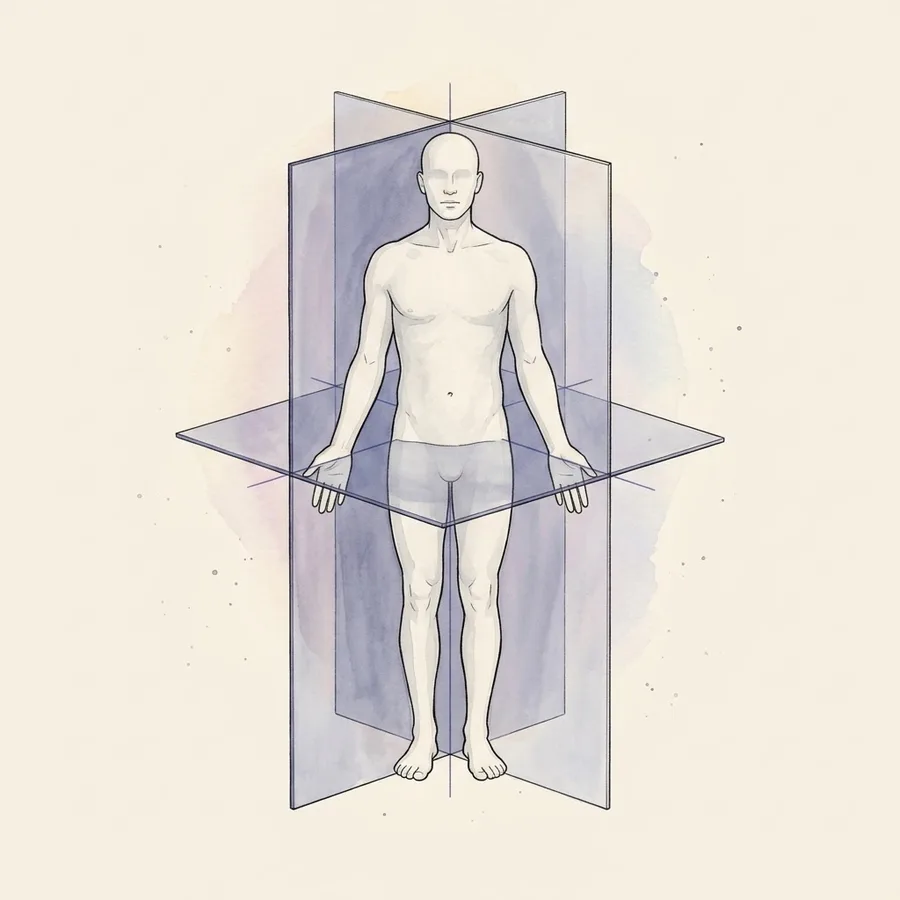 ReadThe anatomical position, planes and axes
The reference posture every description in the course silently assumes, and the three planes cut through it.
4 minReadDirectional terms, in pairsSuperior and inferior, medial and lateral, proximal and distal — the vocabulary the rest of the course is written in.
5 minReadMovements at a jointFlexion, abduction, rotation and the special movements that do not fit the three-plane scheme.
5 minReadCavities, serous membranes and regionsHow the body is compartmented, what lines each compartment, and the surface landmarks used to find them.
5 min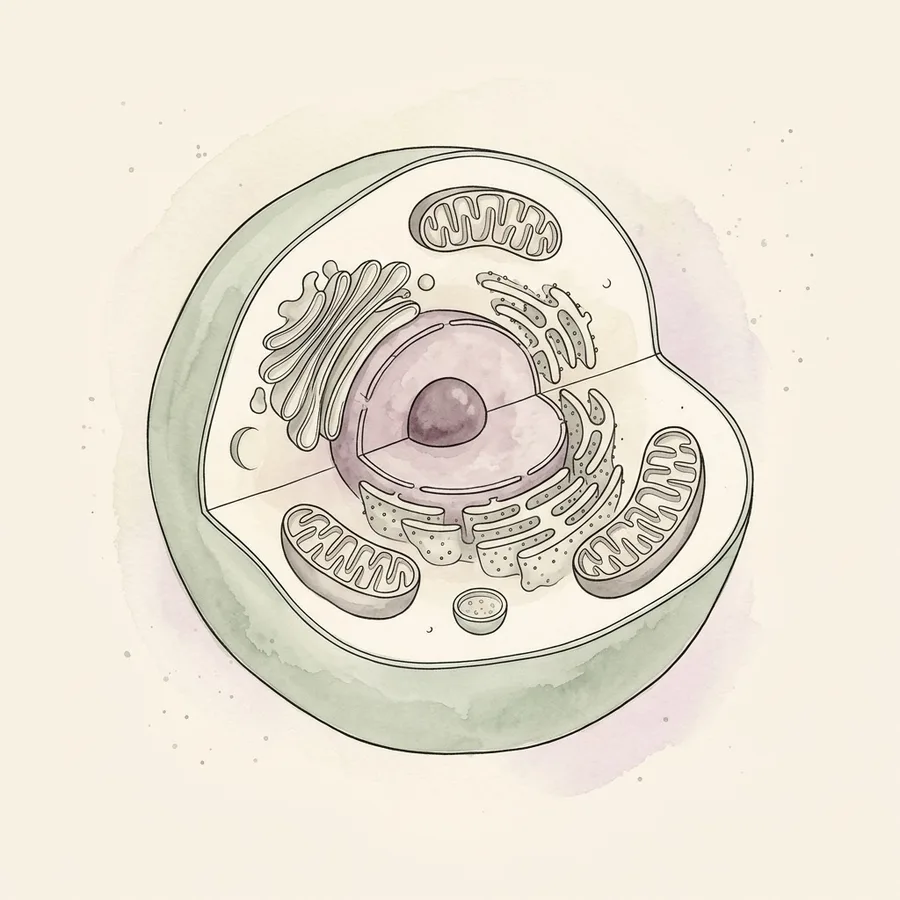 ReadThe plasma membrane and how things cross it
Why the membrane holds together at all, and the four ways a molecule can get through it.
5 minReadThe organelles and the secretory pathwayFollow one protein from its gene to the outside of the cell, and meet each organelle where it does its work.
6 minReadCytoskeleton, junctions and the matrixWhat gives a cell its shape, what holds it to its neighbours, and what happens clinically when either fails.
5 minReadThe cell cycle, mitosis and cell deathHow a cell copies itself, what stops it doing so at the wrong moment, and how it dies on purpose.
6 min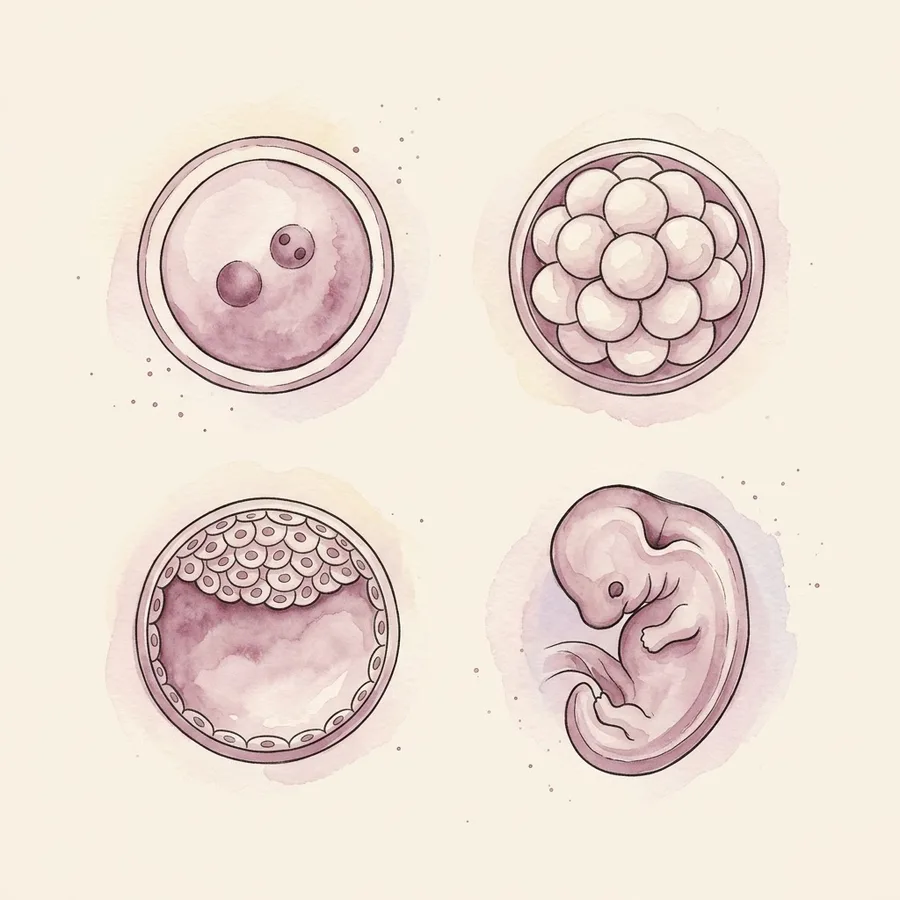 ReadFertilisation and the first week
From the meeting of two gametes to a blastocyst arriving in the uterus, day by day.
5 minReadImplantation, the bilaminar disc and the annexesThe second week: burrowing into the endometrium, splitting into two layers, and building a placenta.
5 minReadGastrulation and neurulationThe third week: two layers become three, the notochord appears, and the nervous system is laid down.
6 minReadFolding, organogenesis and malformationsHow a flat disc becomes a cylinder with a gut inside it, and why weeks 3 to 8 are the dangerous ones.
6 min ReadHomeostasis and feedback loops
The single idea the whole of physiology is built on, and the two shapes a control loop can take.
5 minReadMembrane potential, action potential and the synapseHow a cell holds a voltage, how it inverts it in a millisecond, and how it passes the message on.
6 minReadThe cardiac cycle and gas exchangeOne heartbeat in five phases, what sets cardiac output, and how the lung loads oxygen and unloads CO₂.
6 minReadRenal regulation and the endocrine axesHow the kidney sets the volume and composition of the internal environment, and how hormones are commanded.
6 min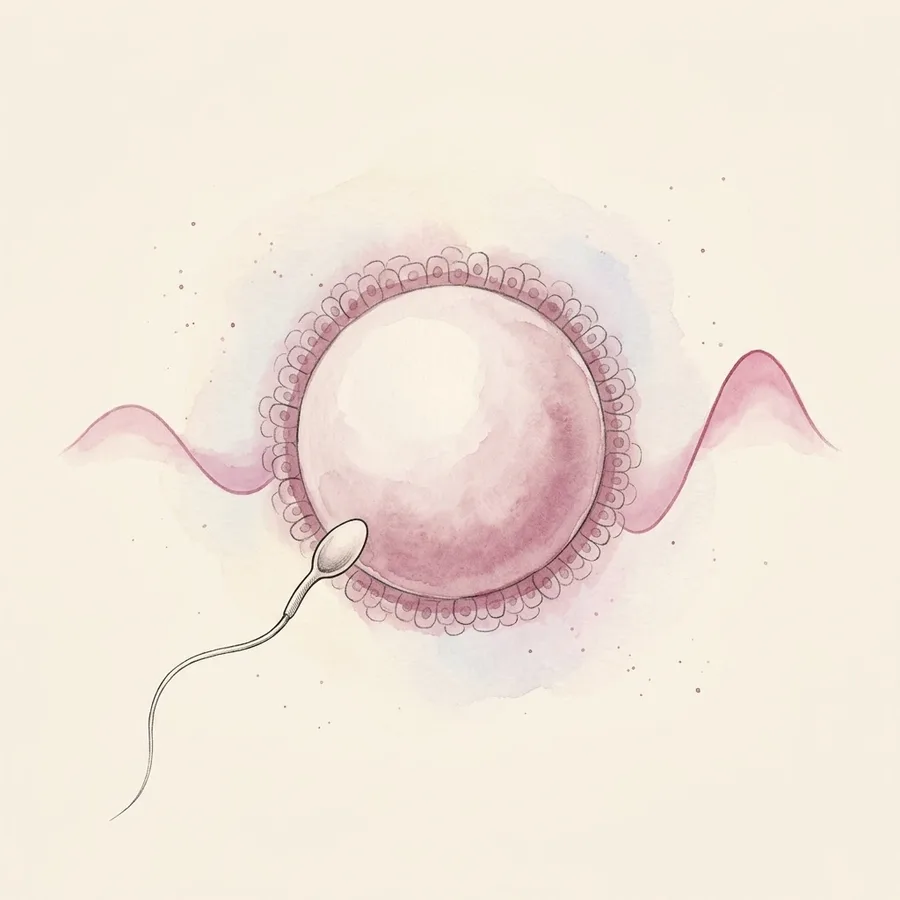 ReadGametogenesis in both sexes
How a diploid stem cell becomes a haploid gamete — and why the male and female versions differ on almost every count.
6 minReadThe ovarian and uterine cyclesTwenty-eight days seen twice over: once in the ovary, once in the endometrium, with the hormones that link them.
6 minReadHormonal regulation of reproductionOne axis, two feedbacks, and the reversal that produces ovulation.
6 minReadFertilisation, pregnancy and controlling fertilityFrom the meeting of the gametes to the hormones of pregnancy, and how contraception interrupts the chain.
6 min ReadMeiosis and the two shufflings
Two divisions, one replication — and the two mechanisms that make every gamete unique.
6 minReadMendelian transmissionThe vocabulary that makes a genetics problem solvable, and the two crosses every exam is built on.
6 minReadHuman heredity and pedigreesHow to prove a mode of transmission from a family tree, and the arguments that actually count.
6 minReadMutations and chromosomal anomaliesWhat changes in the DNA, what changes in the karyotype, and the difference in consequences.
5 min ReadSelf, non-self and the markers of identity
What the immune system reads before it decides to attack, and why a graft is rejected.
5 minReadInnate immunity: barriers, inflammation, phagocytosisThe first line — immediate, identical every time, and the same for every intruder.
6 minReadThe humoral responseB lymphocytes, plasma cells and antibodies — how the body neutralises what circulates in its fluids.
6 minReadThe cell-mediated response and immune cooperationHow the body deals with what hides inside its own cells, and why CD4 T cells command the whole system.
6 minReadMemory, vaccination and immune failureWhy the second encounter is different, how a vaccine exploits it, and what happens when the system breaks.
6 min