Respiratory System
A tide of airSystema respiratorium
An airway and an enormous folded membrane, arranged so that oxygen can cross into blood and carbon dioxide can leave.
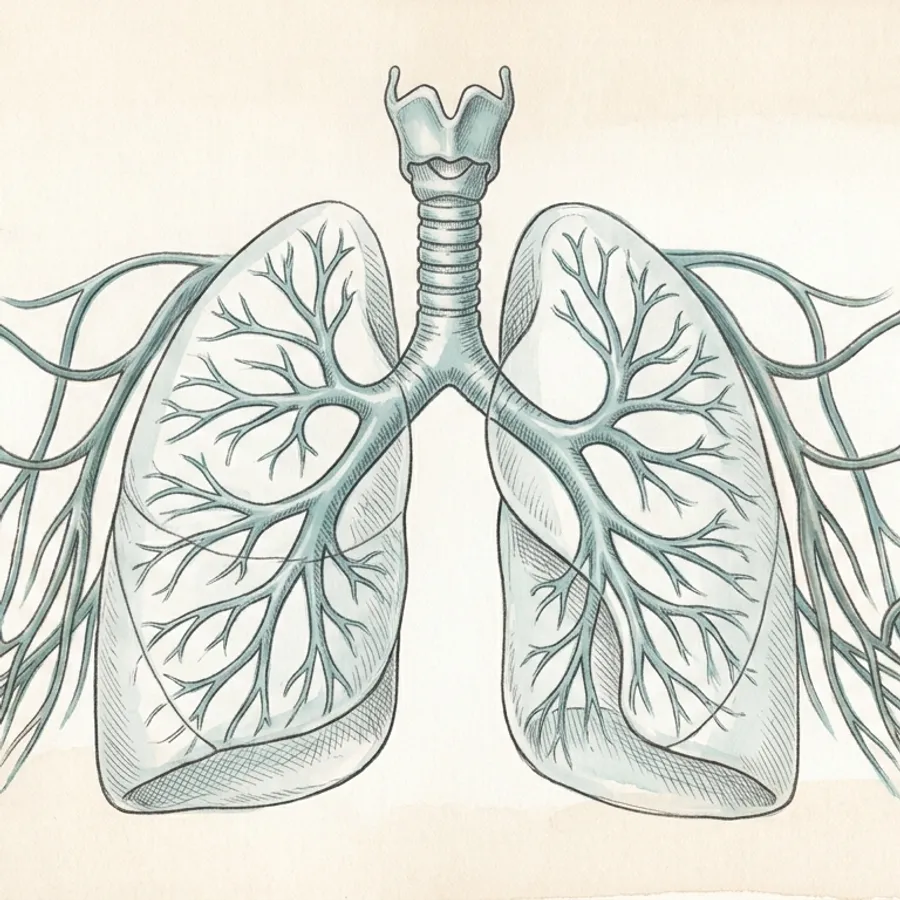
- Primary role
- Exchanges oxygen for carbon dioxide
- Scale
- ~70 m² of exchange surface
- Every day
- About 20,000 breaths
Organs in this atlas 1
How it works as a whole
Air is drawn in not by suction from the lungs, which have no muscle of their own, but by the diaphragm dropping and the ribs swinging outward to enlarge the chest. Pressure falls, air follows. The airway branches some twenty-three times, warming and filtering as it narrows, until it ends in roughly 300 million alveoli — thin, wet sacs wrapped in capillaries. Folded flat, that exchange surface would cover a tennis court, all of it packed inside the ribcage.
Other key structures
- DiaphragmThe muscle that actually does the breathing
- Trachea & bronchiConducting airway — warms, filters, and humidifies
- AlveoliWhere gas exchange happens, across a wall under a micron thick
- PleuraSlick double membrane letting lungs glide against the chest wall
Connected systems
- Cardiovascular SystemShares a circuit — the entire blood volume passes the alveoli
- Nervous SystemBrainstem sets breathing rhythm automatically, day and night
- Urinary SystemTogether they hold blood pH in a very narrow band
Common conditions
- Asthma
- COPD
- Pneumonia
- Sleep apnoea
- Pulmonary embolism
- Tuberculosis
The through-lineBreathing rate is set less by oxygen than by carbon dioxide: brainstem sensors read blood CO₂ and adjust the drive to breathe, which is why holding your breath becomes intolerable well before oxygen actually runs low.
Did you knowYou exhale roughly a glass of water a day simply as vapour — which is why breath fogs a cold window.
The path through this system
0 of 9 steps done — read it, walk it in 3D, then be asked about it.
Start: Lungs: the lesson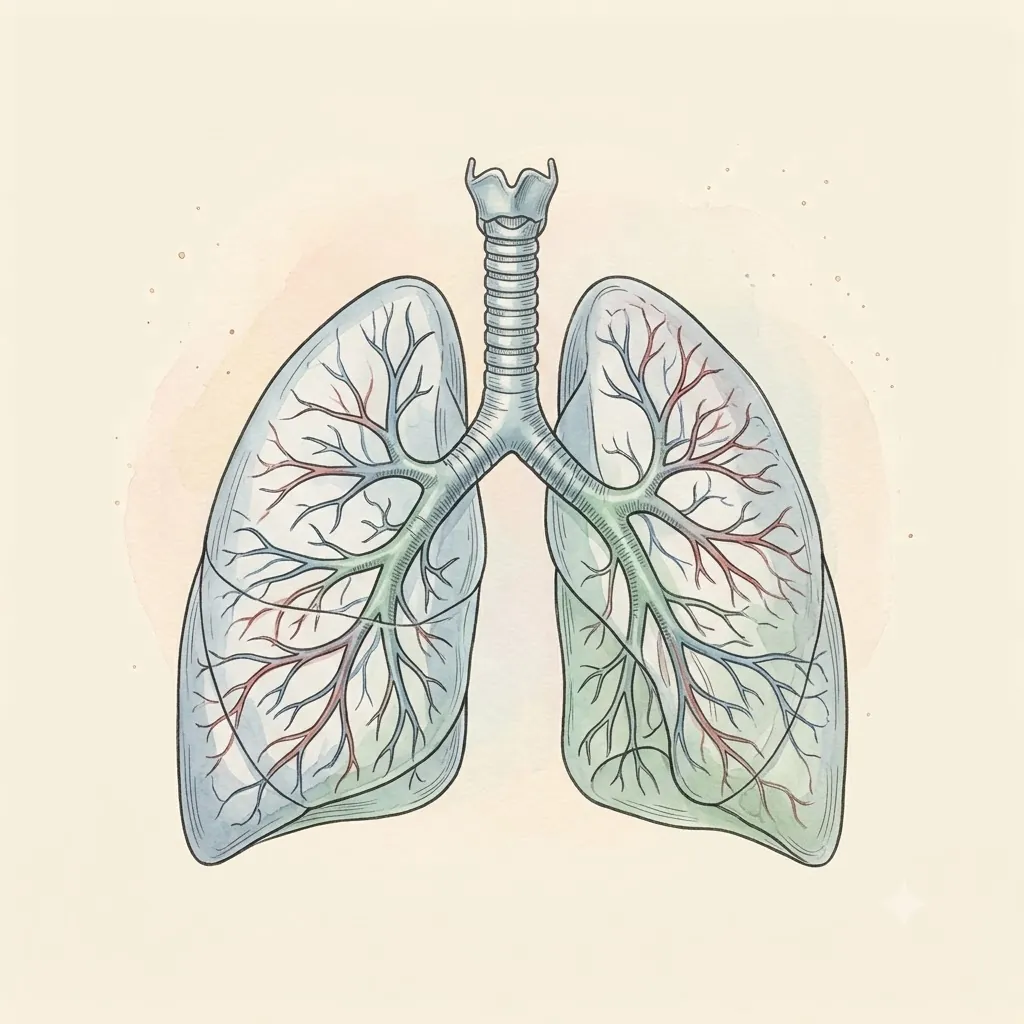 ReadLungs: the lesson
Structure and story of the lungs, layer by layer.
3 min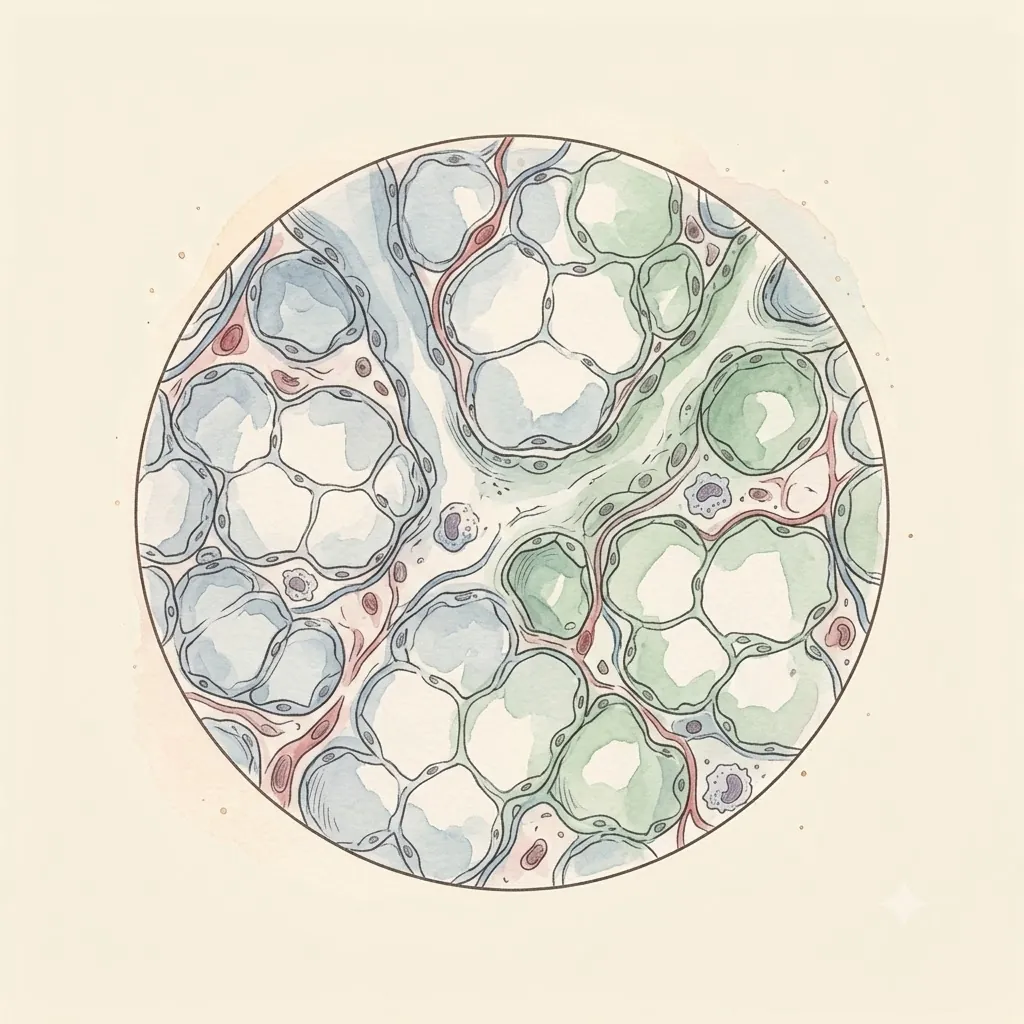 Guided walk-throughGuided dissection: lungs
Walk the lungs structure by structure, then cut inward layer by layer.
6 min Memo cardsLungs memo cards
Turn the cards on the lungs — structures, layers, key facts — and grade yourself.
4 min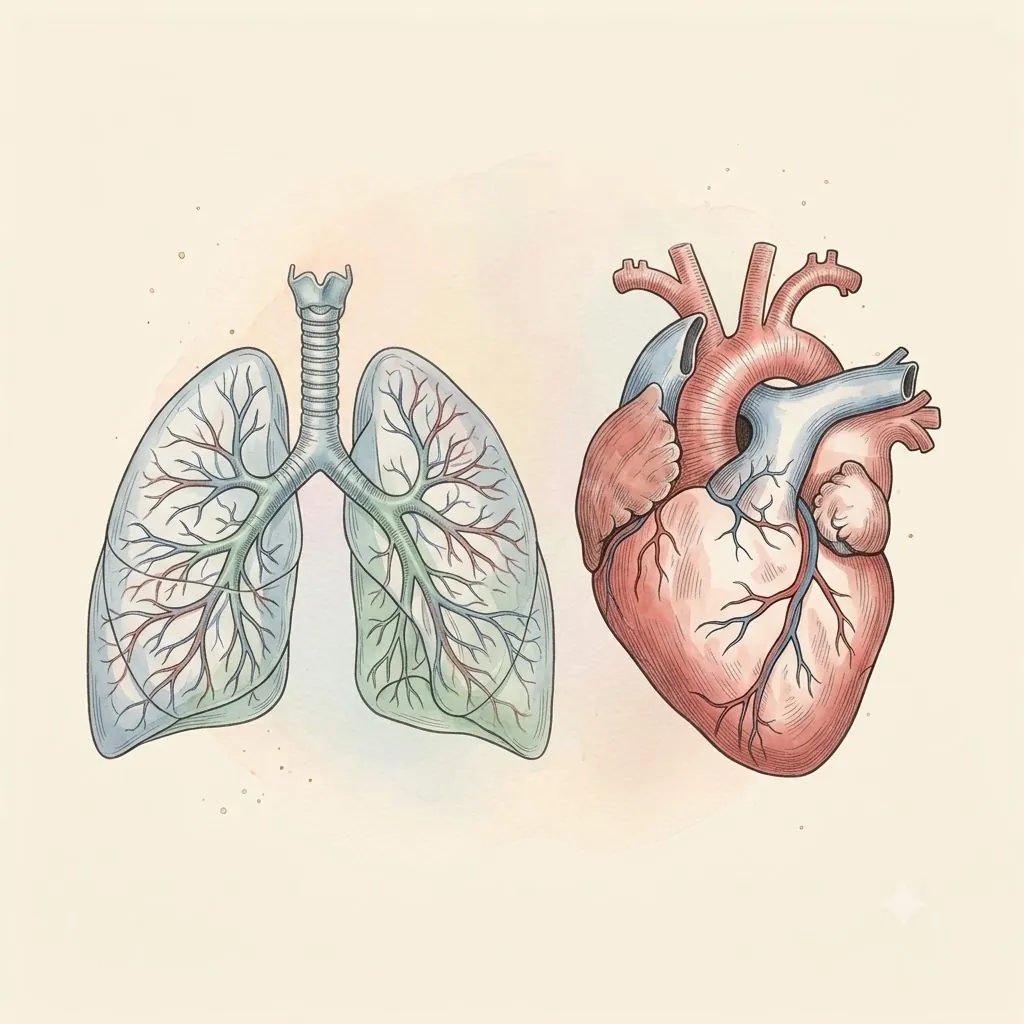
 Multiple choiceLungs quiz
A multiple-choice round on the lungs, reshuffled every time.
4 min Click on the 3D modelFind the lungs structures
Click the named structures directly on the live 3D lungs.
5 min Match layersMatch lungs layers
Pair each layer of the lungs, outside in, with what it does.
4 min Match pairsMatch lungs structures
Pair each structure in the lungs with its role.
4 min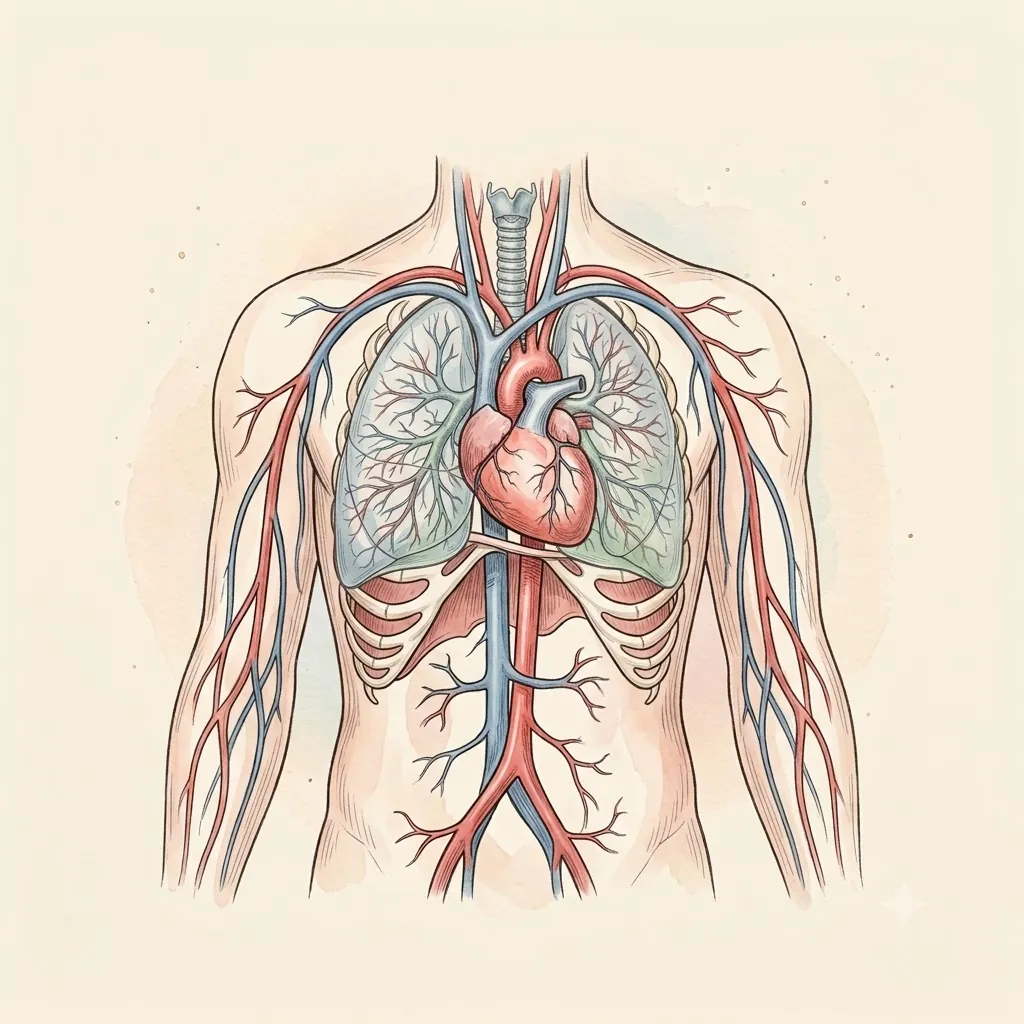 Multiple choiceRespiratory System quiz
A quiz pulling from every organ in the respiratory system.
3 minReadLungs in the clinicWhere the lungs shows up in the clinic, and what goes wrong.
3 min