Nervous System
Electricity with an opinionSystema nervosum
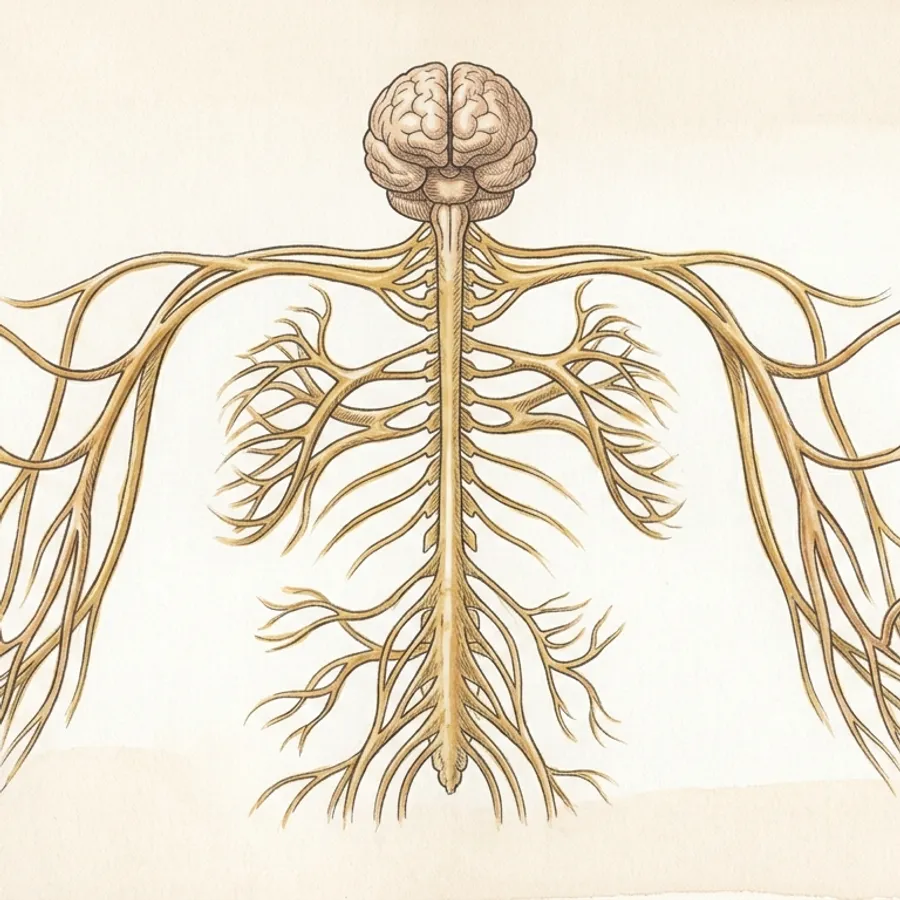
A signalling network that senses the world, decides what it means, and commands a response — often in milliseconds.
- Primary role
- Senses, integrates, decides, and commands
- Scale
- About 86 billion neurons
- Every day
- Signals travel up to 120 m/s
Organs in this atlas 1
How it works as a whole
The nervous system is split by anatomy into a central part (brain and spinal cord) and a peripheral part (everything branching outward), and by behaviour into somatic control you author and autonomic control you do not. Signals travel as a wave of ions along an axon, then cross the gap between cells as a puff of chemistry. That two-step design is slower than pure wiring would be, but the chemical junction is where signals can be amplified, blocked, or remembered — which is where learning lives.
Other key structures
- Spinal cordThe trunk line, and the seat of reflexes that never reach the brain
- Peripheral nervesCarry sensation inward and commands outward
- Autonomic gangliaRun heartbeat, digestion, and breathing without conscious input
- Glial cellsInsulate, feed, and prune the neurons — and outnumber them
Connected systems
- Sensory SystemSense organs are its input layer; the retina is literally brain tissue
- Endocrine SystemThe hypothalamus converts neural signals into hormonal ones
- Cardiovascular SystemDemands ~20% of the body's oxygen and tolerates no interruption
Common conditions
- Stroke
- Epilepsy
- Multiple sclerosis
- Parkinson's disease
- Neuropathy
- Meningitis
The through-lineSensory organs feed it, muscles obey it, and it shares control of the body's chemistry with the endocrine system — the nervous system acting in milliseconds where hormones act over minutes to hours.
Did you knowA reflex like pulling off a hot surface is decided entirely in the spinal cord — you feel it after your hand has already moved.
The path through this system
0 of 11 steps done — read it, walk it in 3D, then be asked about it.
Start: Brain: the lesson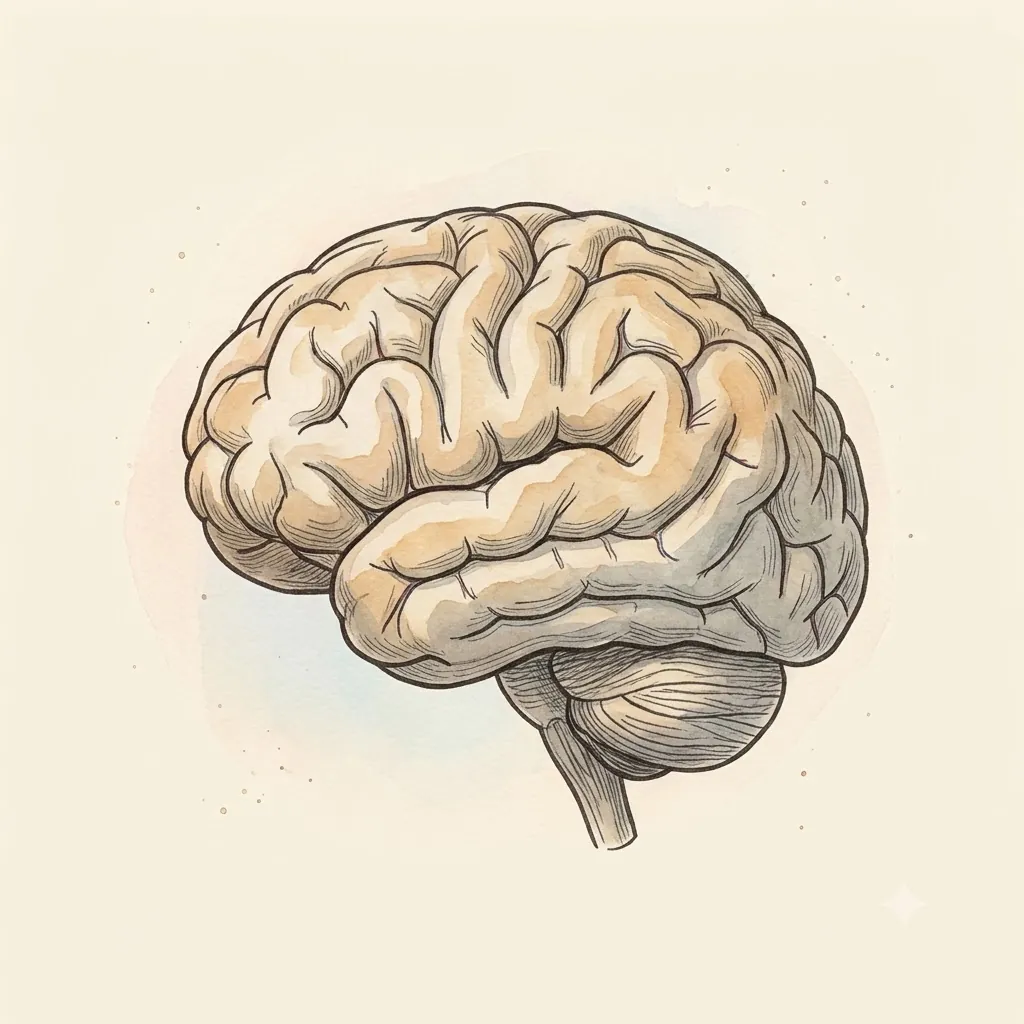 ReadBrain: the lesson
Structure and story of the brain, layer by layer.
3 min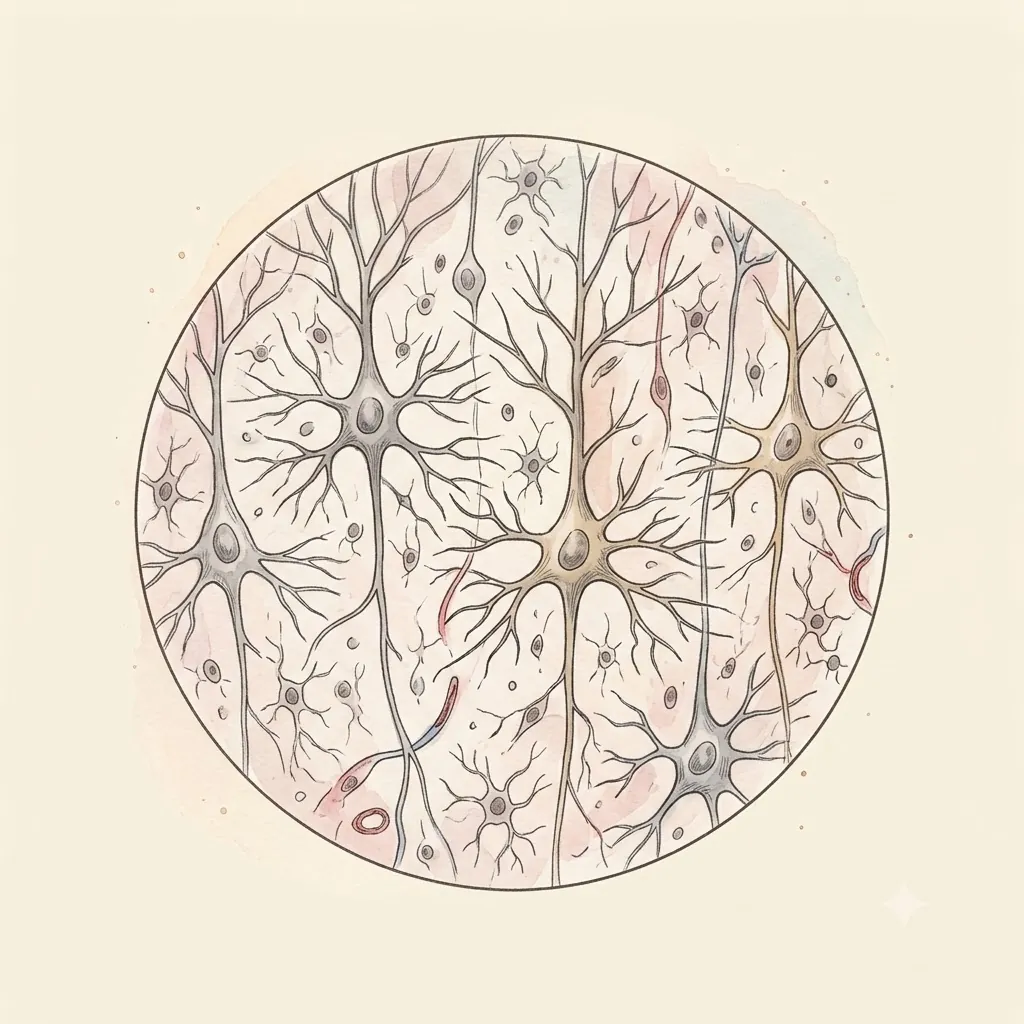 Guided walk-throughGuided dissection: brain
Walk the brain structure by structure, then cut inward layer by layer.
6 min Memo cardsBrain memo cards
Turn the cards on the brain — structures, layers, key facts — and grade yourself.
4 min True or falseBrain myths, busted
Common claims about the brain, put to the test.
2 min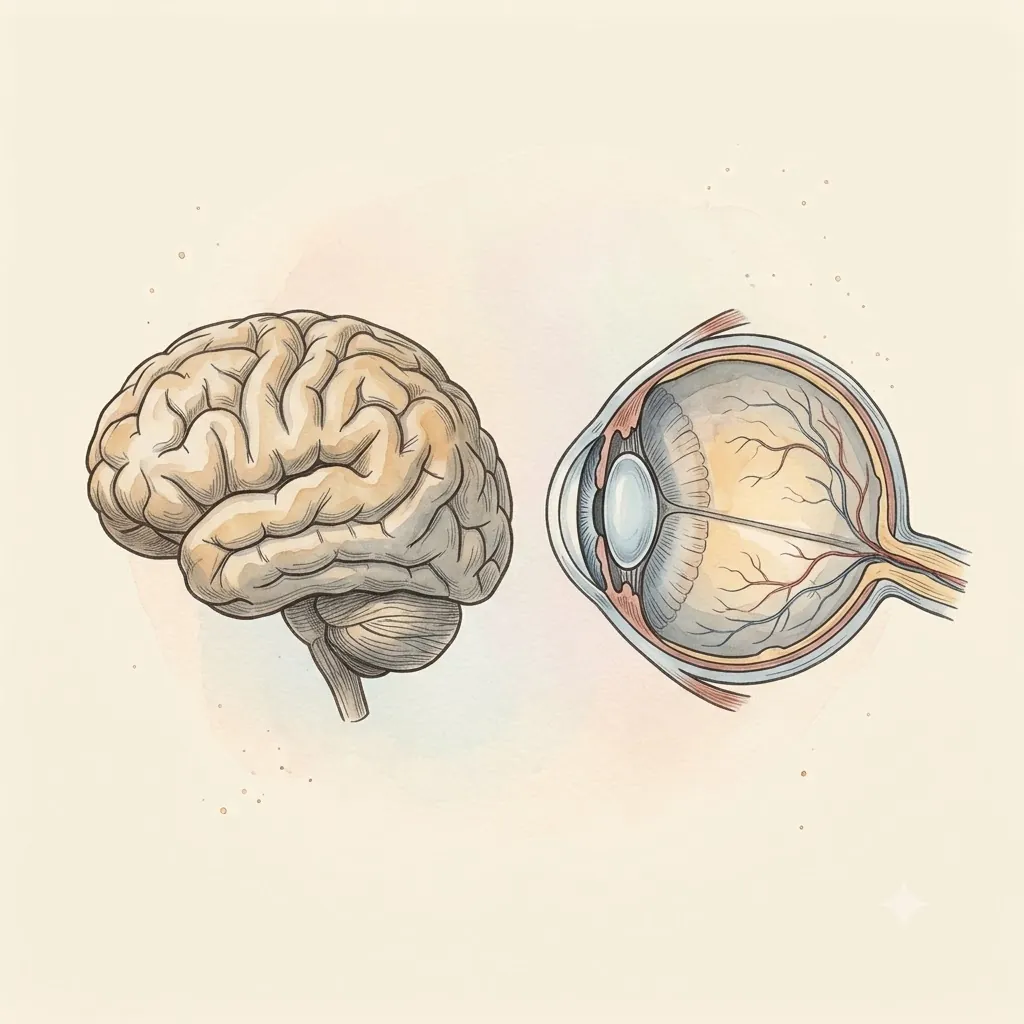
 Multiple choiceBrain quiz
A multiple-choice round on the brain, reshuffled every time.
4 min Click on the 3D modelFind the brain structures
Click the named structures directly on the live 3D brain.
5 min Match layersMatch brain layers
Pair each layer of the brain, outside in, with what it does.
4 min Match pairsMatch brain structures
Pair each structure in the brain with its role.
4 min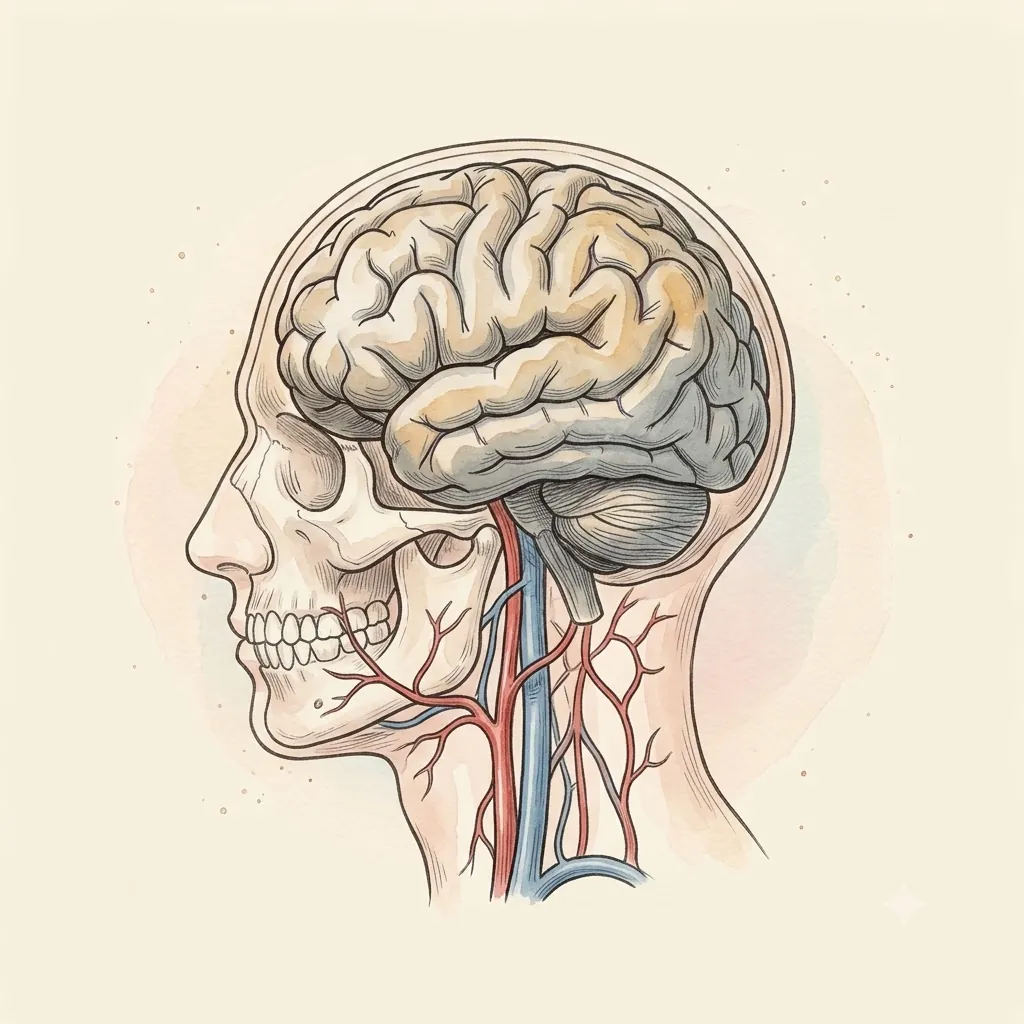 Multiple choiceNervous System quiz
A quiz pulling from every organ in the nervous system.
3 min Put in orderOrder the brain's blood flow
Trace blood through the brain in the order it actually flows.
4 minReadBrain in the clinicWhere the brain shows up in the clinic, and what goes wrong.
3 min